The digital learning industry has grown rapidly in recent years. With smartphones becoming widely accessible, students and professionals are increasingly turning to mobile apps for learning new skills, attending online classes, and accessing educational resources anytime, anywhere.
From e-learning platforms and exam preparation apps to school management systems and language learning apps, the demand for educational mobile apps in India is higher than ever. However, one of the most common questions entrepreneurs, educators, and institutions ask is: What is the cost to build an educational mobile app in India?
The answer depends on several factors including app features, development complexity, technology stack, and team size. Understanding these elements helps businesses plan their investment and development strategy effectively.
Let’s explore the key cost factors and development stages involved in building an educational mobile app.
The first factor affecting the cost of building an educational app is the type of features included. Basic apps may only include course content and video lessons, while advanced apps can offer AI-based learning, live classes, and interactive assessments.
Common features of an educational mobile app include:
More advanced platforms may also include:
The more features included, the higher the development cost.
The team size requirement plays a significant role in the overall cost of developing an educational mobile app.
A typical professional development team may include:
For startups and educational institutions with limited budgets, a lean MVP team may include:
This approach helps reduce initial costs while launching a functional product.
For most startups, the smartest approach is launching an MVP (Minimum Viable Product) first.
An MVP focuses on essential features that allow the app to enter the market quickly and gather real user feedback.
Typical MVP features include:
Once the MVP gains traction and user feedback, additional features can be added gradually.
Benefits of the MVP strategy include:
This approach is widely used by successful EdTech startups.
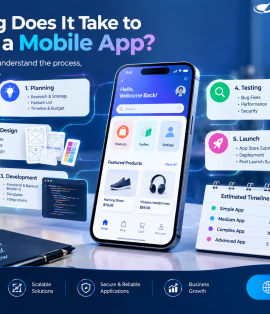
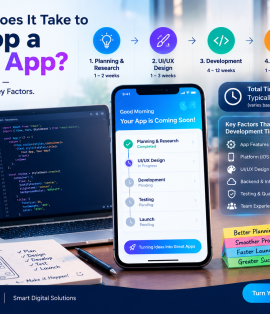
Building an educational mobile app involves multiple structured phases. Proper planning ensures better cost management and efficient development.
This phase includes market analysis, feature definition, and technical architecture planning.
Milestone: Finalized project scope and product roadmap.
Designers create wireframes and interactive prototypes to ensure a smooth learning experience.
Milestone: Approved design and user journey.
Developers build the mobile application and backend infrastructure.
Milestone: Working MVP version of the educational app.
The app undergoes performance testing, bug fixes, and security validation.
Milestone: Stable and reliable app ready for launch.
The app is published on app stores and continuously updated based on user feedback.
Milestone: Live app with monitoring and updates.
Following these structured milestones helps control development costs and ensures scalability.
Beyond the initial development cost, educational apps also require ongoing investments such as:
Proper planning ensures the app remains competitive and scalable as the user base grows.
The cost to build an educational mobile app in India depends on multiple factors including feature complexity, development team size, and technology requirements.
Key cost considerations include:
By starting with an MVP and expanding features gradually, startups and educational institutions can build powerful learning platforms without overspending.
If you’re planning to develop an educational mobile app, amrithaa.com offers complete consulting services — including cost estimation, team planning, MVP strategy, and scalable EdTech business models.
🎓 Ready to build your educational app?
Visit amrithaa.com today and turn your learning platform idea into reality.