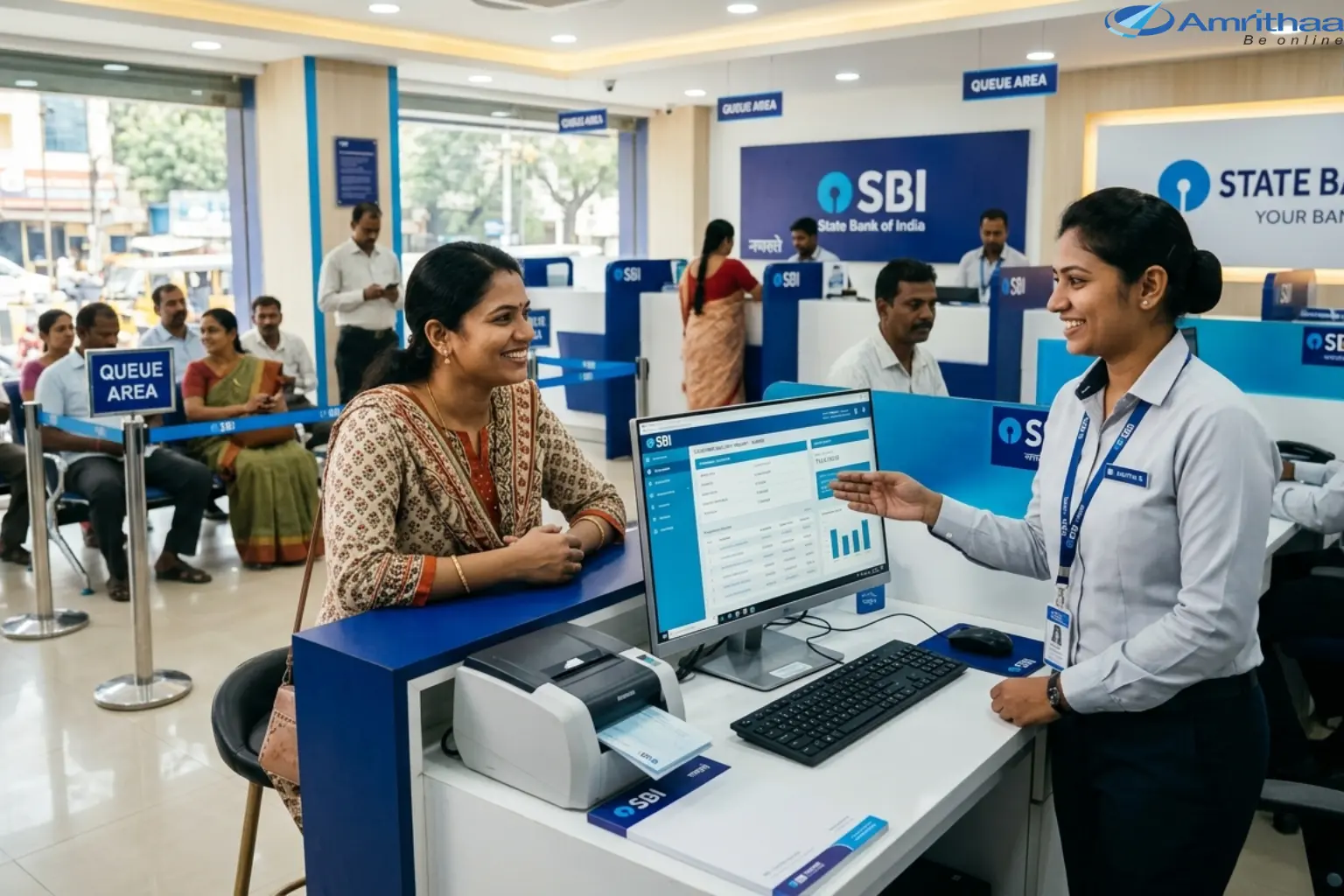
In today’s fast-paced digital economy, Banking Systems must evolve quickly to meet customer expectations, regulatory demands, and competitive pressure. However, many financial institutions still rely on legacy systems that are outdated, inflexible, and costly to maintain.
Modernizing these systems is no longer optional it’s essential. But where should you begin? Let’s break down a practical approach to help banks and financial institutions start their transformation journey effectively.
Legacy systems were built decades ago and often lack the scalability and flexibility required today. These systems can slow down innovation, increase operational risks, and limit the ability to deliver seamless digital experiences.
Common challenges include:
At amrithaa.com, we often see organizations struggling with these issues while trying to keep daily operations running smoothly. Recognizing these pain points is the first step toward transformation.
Before jumping into technology upgrades, banks must define a clear strategy. This includes identifying business goals, customer expectations, and compliance requirements.
Ask key questions:
A well-defined roadmap ensures that modernization efforts align with business objectives. The Implement Process should be structured, phased, and measurable to avoid disruption.
There is no one-size-fits-all solution when modernizing Banking Systems. Organizations can choose from several approaches:
Each approach depends on budget, timeline, and complexity. At amrithaa.com, we recommend a hybrid strategy for most institutions—combining quick wins with long-term transformation.
Modern banking is all about delivering seamless, fast, and personalized experiences. Legacy systems often fail to meet these expectations.
Key improvements to focus on:
By improving customer experience, banks can increase satisfaction, retention, and overall brand trust.
A successful Implement Process should never be rushed. Instead, it should be executed in phases to minimize risk and ensure stability.
Best practices include:
Strong governance and stakeholder involvement are crucial to ensure smooth execution. This phased approach reduces downtime and builds confidence across teams.
As systems modernize, security must remain a top priority. Financial data is highly sensitive, and any breach can have severe consequences.
Modern systems should include:
A secure foundation not only protects data but also enhances customer trust in your Banking Systems.
Modernizing legacy banking systems may seem complex, but with the right strategy, technology, and phased Implement Process, it becomes manageable and highly rewarding.
By focusing on scalability, customer experience, and security, financial institutions can unlock new opportunities for growth and innovation.👉 Ready to transform your banking infrastructure? Visit amrithaa.com to explore smarter, future-ready solutions today!