The logistics and transportation industry plays a critical role in global supply chains. From moving goods between warehouses to delivering products to customers, transport companies handle complex operations every day. Managing fleets, drivers, routes, and shipments manually can quickly become overwhelming and inefficient.
This is where Logistics Management Software becomes a game-changing solution. By automating and optimizing logistics operations, transport companies can reduce costs, improve efficiency, and deliver better customer service.
Understanding the benefits of logistics management software for transport companies helps businesses modernize their operations and stay competitive in an increasingly digital logistics landscape.
Let’s explore how logistics technology is transforming the transport industry.
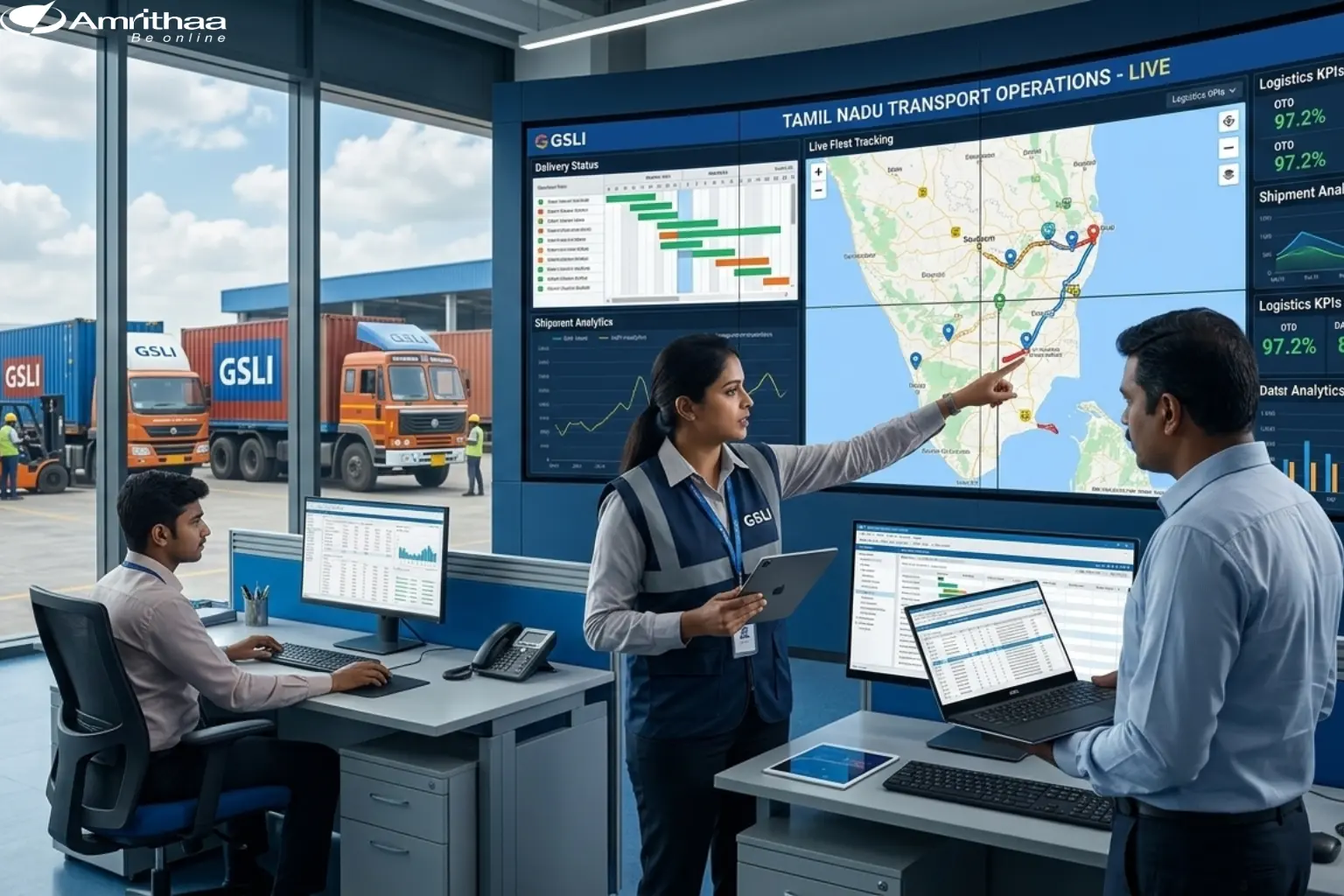
One of the biggest challenges for transport companies is managing fleets efficiently. Logistics management software provides smart tools to monitor and optimize fleet operations.
Key features include:
Route optimization helps drivers avoid traffic congestion and select the fastest delivery paths. This reduces delivery time, lowers fuel costs, and increases overall operational efficiency.
With centralized fleet monitoring, transport managers can make faster decisions and respond quickly to delays or issues.
Customers today expect transparency in deliveries. Logistics software allows companies to provide real-time shipment tracking, improving communication and trust.
Benefits include:
Customers and logistics managers can track shipments from pickup to final delivery. This transparency improves customer satisfaction and reduces support queries.
Real-time tracking also helps companies detect delays early and take corrective actions.
Manual processes such as order entry, dispatch planning, and documentation can slow down logistics operations.
Logistics management software automates these processes, including:
Automation reduces human errors and improves productivity. Staff can focus on operational efficiency rather than repetitive administrative work.
As a result, transport companies can handle higher shipment volumes without increasing operational complexity.
Modern logistics software provides powerful analytics that help transport companies understand their business performance.
Analytics features may include:
These insights help logistics companies optimize routes, reduce costs, and improve delivery reliability.
Data-driven decision-making is essential for scaling operations and improving profitability.
Customer expectations in logistics have increased significantly. Businesses want reliable deliveries, clear communication, and accurate timelines.
Logistics management software helps companies provide better service through:
By improving operational visibility and communication, companies can build stronger relationships with customers and partners.
Satisfied clients often lead to repeat contracts and long-term partnerships.
Developing a logistics management software system depends on features, integrations, and scalability requirements.
A professional software development team may include:
This team ensures smooth system architecture, reliable performance, and secure deployment.
For smaller transport companies or startups, MVP development can begin with a leaner team:
This approach allows businesses to launch faster with minimal initial investment.
An MVP (Minimum Viable Product) focuses on essential logistics features to test the system in real-world operations.
Core MVP features may include:
After launching the MVP, advanced capabilities like AI route optimization, predictive analytics, and advanced integrations can be added.
This phased development reduces risk and improves product-market fit.
A structured development roadmap ensures efficiency and cost control.
Milestone: Defined logistics system requirements and architecture.
Milestone: Approved workflow for fleet and shipment management.
Milestone: Working MVP with fleet tracking and shipment management.
Milestone: Secure and stable logistics platform.
Milestone: Live software with performance monitoring and updates.
Following these milestones helps transport companies build scalable systems without unnecessary costs.
At amrithaa.com, we help logistics and transport businesses plan their software development journey with proper cost analysis, team size planning, MVP strategy, and scalable business models.
The transportation industry is becoming increasingly digital, and logistics management software is essential for modern operations.
The benefits of logistics management software for transport companies include:
With proper team planning, MVP development strategy, and milestone-based execution, transport companies can build powerful logistics systems that drive operational efficiency and business growth.
If you’re planning to develop logistics management software for your transport company, amrithaa.com offers complete consulting — from cost planning and development strategy to scalable business models.
🚚 Ready to modernize your logistics operations?
Visit amrithaa.com today and start building smarter transport solutions.