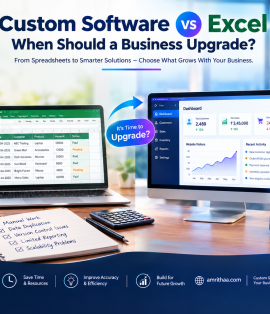
In today’s competitive property market, managing leads manually through spreadsheets or basic tools is no longer effective. Real estate businesses need a powerful system that organizes leads, tracks follow-ups, manages listings, and improves sales performance. That’s where a well-designed CRM (Customer Relationship Management) system becomes essential.
Understanding the Key Features of a Successful Real Estate CRM System helps agencies, brokers, and developers streamline operations, close deals faster, and scale sustainably.
A real estate CRM is not just a contact database it is a centralized growth engine that connects marketing, sales, and customer service into one smart platform.
Let’s explore what makes a real estate CRM system truly successful.
Lead management is the heart of any real estate CRM.
A successful CRM should allow you to:
Automation reduces manual work and ensures no lead is missed. Sales teams can focus on closing deals instead of tracking spreadsheets.
Advanced CRMs also include lead scoring systems that prioritize high-intent buyers, improving conversion rates.
A real estate CRM must integrate property data management.
Key capabilities include:
This feature helps agents instantly match buyer preferences with available properties. Faster matching means faster conversions.
Integration with website listings ensures real-time updates, avoiding miscommunication about availability.
A successful CRM system gives complete visibility into your sales funnel.
Important pipeline features:
With real-time analytics, business owners can monitor agent performance and revenue forecasting.
Clear reporting helps in strategic planning and decision-making.
Real estate is relationship-driven. Communication tools inside CRM enhance client engagement.
Essential tools include:
A centralized communication history ensures every agent knows the client’s interaction timeline. This builds trust and professionalism.
Modern agents work on the go. A CRM must be mobile-friendly or have a dedicated mobile app.
Mobile CRM benefits:
Since real estate data includes sensitive client information, security features are critical:
Security builds long-term credibility.
When building a custom real estate CRM, cost depends on complexity and features.
For MVP development, startups can begin with:
Start with core features:
After launch, add advanced automation, integrations, and analytics in later versions.
A structured approach ensures controlled budget and timely delivery.
Milestone: Finalized CRM feature list
Milestone: Approved UI/UX workflow
Milestone: Functional MVP ready
Milestone: Stable and secure CRM
Milestone: Live system with training & support
This phased development helps businesses avoid overspending and ensures scalability.
At amrithaa.com, we provide structured consulting to help real estate businesses design CRM systems aligned with cost efficiency and long-term growth.
A successful real estate CRM system is not just about technology it is about strategy.
The Key Features of a Successful Real Estate CRM System include smart lead management, property tracking, sales pipeline visibility, automation, mobile accessibility, and strong security.
With the right MVP approach, structured phases, and the correct team size requirement, real estate businesses can build scalable CRM platforms without unnecessary expenses.
If you are planning to build or upgrade your real estate CRM, amrithaa.com offers complete consulting from cost analysis and team planning to business model design and long-term growth strategy.
🚀 Ready to streamline your real estate operations?
Visit amrithaa.com today and build a CRM system that drives real business growth.