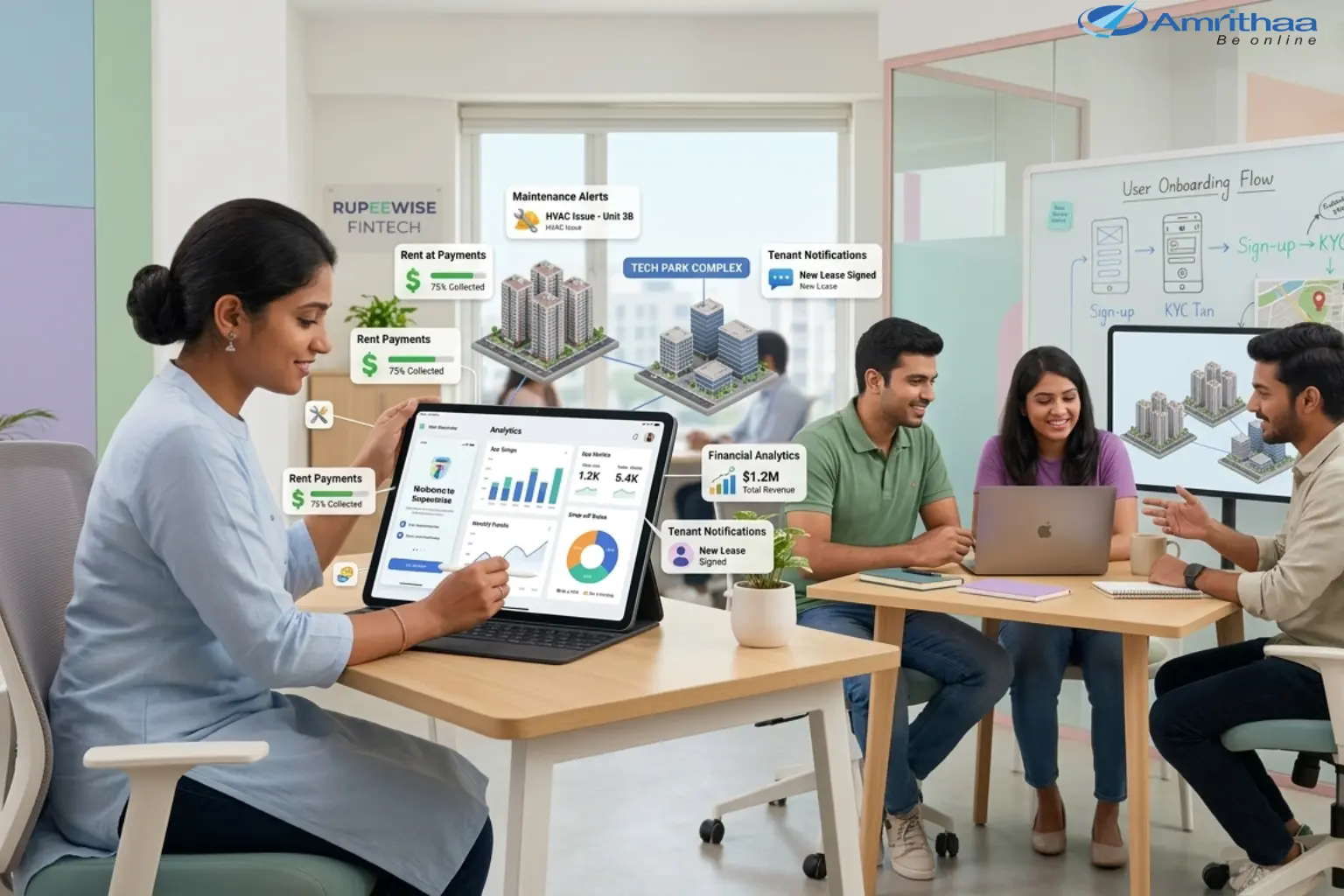
Managing multiple properties can be challenging for real estate investors, property managers, and property management companies. From tracking rent payments and maintenance requests to managing tenant communication and financial reporting, the workload can quickly become overwhelming without the right systems in place.
Traditional property management methods such as spreadsheets, paperwork, and manual communication often lead to errors, delays, and inefficiencies. This is why many real estate businesses are now adopting digital property management tools to streamline operations and improve productivity.
Modern property management software and mobile applications allow property owners to manage multiple properties from a single platform. Technology consulting services like amrithaa.com help real estate companies build customized digital tools that simplify property management and improve operational efficiency.
Let’s explore how digital tools can help property managers efficiently manage multiple properties.
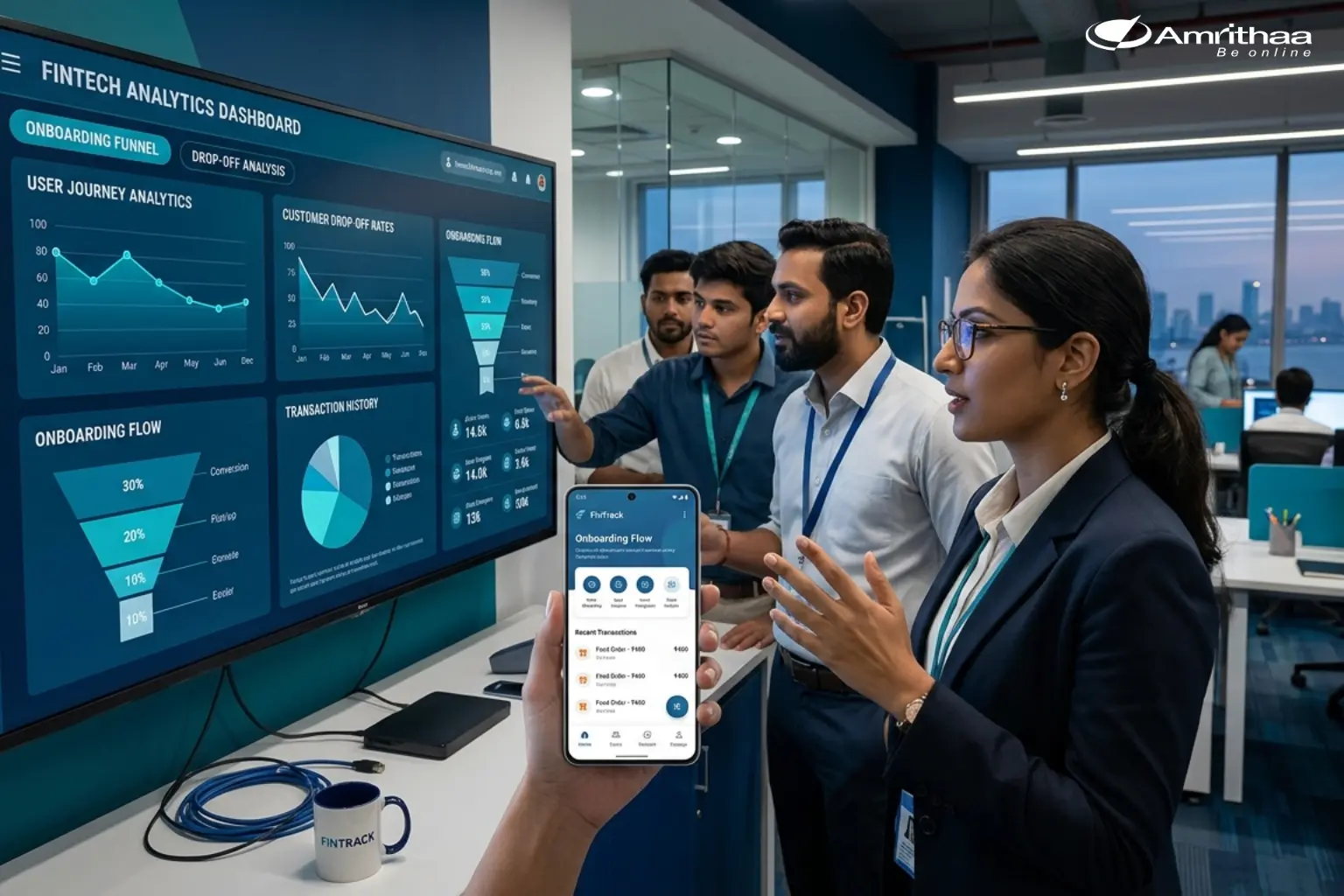
One of the biggest advantages of digital property management tools is the ability to manage everything from a centralized dashboard.
A digital property management platform allows managers to monitor multiple properties in one place.
Key features may include:
Instead of switching between multiple systems, property managers can access all property data from a single dashboard.
This centralized approach saves time and helps property managers stay organized while handling large property portfolios.
Platforms developed with support from amrithaa.com help property businesses streamline operations through smart dashboard solutions.
Rent collection is one of the most critical tasks in property management. Manual payment tracking often leads to missed payments and accounting errors.
Digital tools allow property managers to automate rent collection using:
Tenants can easily pay rent through mobile apps or online portals, reducing delays and improving convenience.
Automated payment systems also generate financial reports that help property managers track revenue across multiple properties.
Maintenance management becomes complicated when managing several properties at once. Tenants may report maintenance issues through calls or emails, making it difficult to track and prioritize requests.
Digital property management systems simplify maintenance operations by allowing tenants to submit service requests through mobile apps or online portals.
Features may include:
Property managers can quickly respond to maintenance requests and ensure that issues are resolved efficiently.
This improves tenant satisfaction and helps maintain property value.
Clear communication between tenants and property managers is essential for smooth property operations.
Digital property management platforms offer built-in communication tools such as:
These tools ensure that tenants receive timely updates regarding payments, maintenance schedules, or policy changes.
Better communication leads to improved tenant relationships and higher tenant retention rates.
Managing multiple properties involves tracking a large amount of financial and operational data.
Digital property management tools provide detailed analytics such as:
These insights help property managers make data-driven decisions and optimize their property investment strategies.
With real-time analytics, businesses can identify trends and improve property profitability.
Technology consulting providers like amrithaa.com help real estate businesses implement analytics-driven property management systems.
Developing a custom property management platform or mobile app depends on features, scalability, and integration requirements.
Many real estate companies begin with an MVP (Minimum Viable Product) to launch core features before expanding the system.
A property management software project may require a team such as:
This team structure helps ensure that the platform is scalable and efficient.
An MVP version typically includes:
Launching an MVP allows property businesses to test the platform before adding advanced features.
Property management platform development usually follows these stages:
1. Research and Planning
2. UI/UX Design
3. MVP Development
4. Testing and Optimization
5. Launch and Expansion
Developing digital property management tools requires strong technical planning and industry expertise.
This is where amrithaa.com provides complete consulting services from cost estimation and MVP planning to designing scalable business models for property management companies.
Managing multiple properties becomes much easier with the help of digital technology. Property management platforms allow businesses to centralize operations, automate rent collection, manage maintenance requests, and analyze financial performance.
By adopting modern property management software and mobile applications, real estate businesses can improve efficiency, reduce operational errors, and deliver better tenant experiences.
If you are planning to build a digital property management solution, amrithaa.com offers expert consulting on development costs, MVP strategies, and scalable real estate technology platforms.