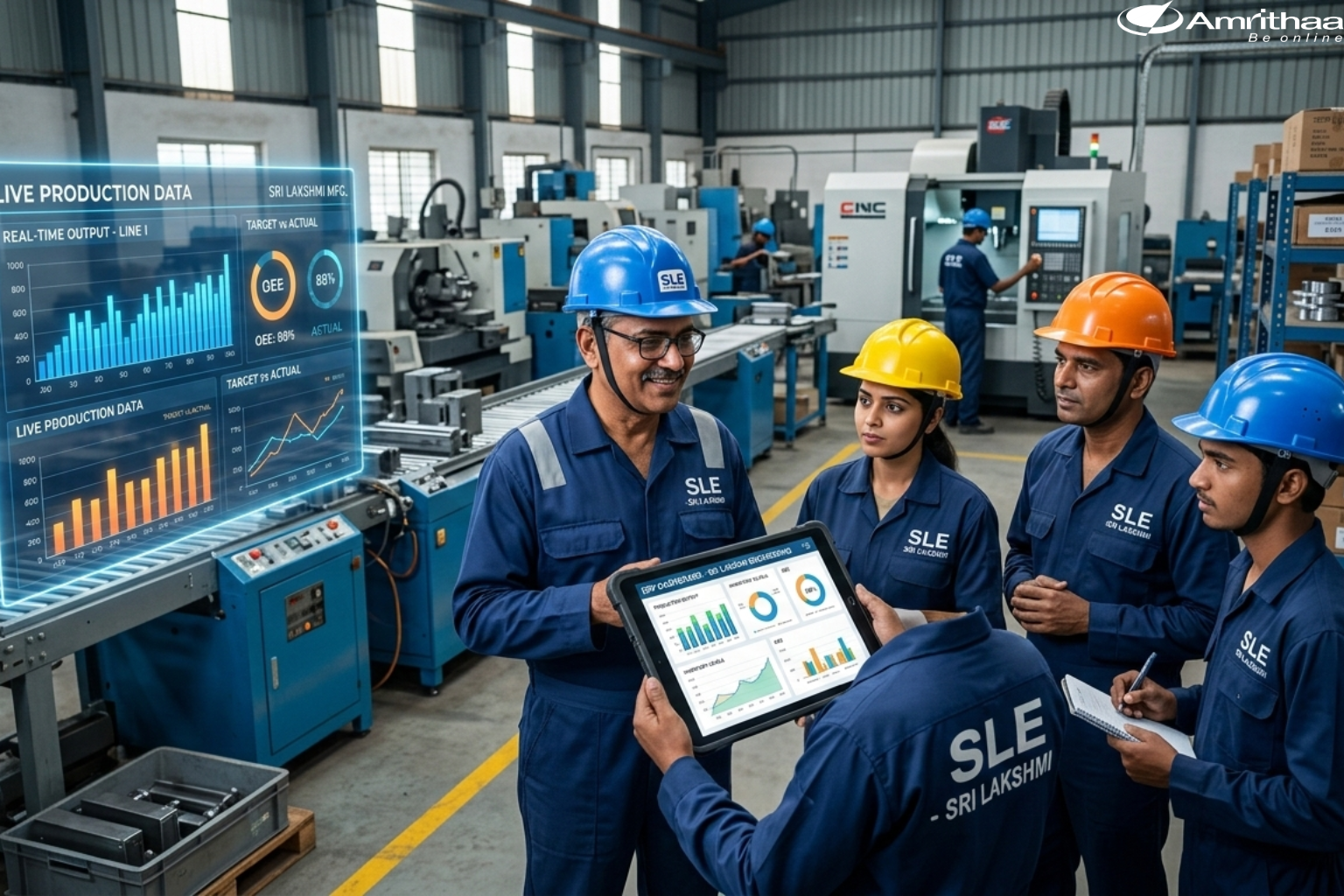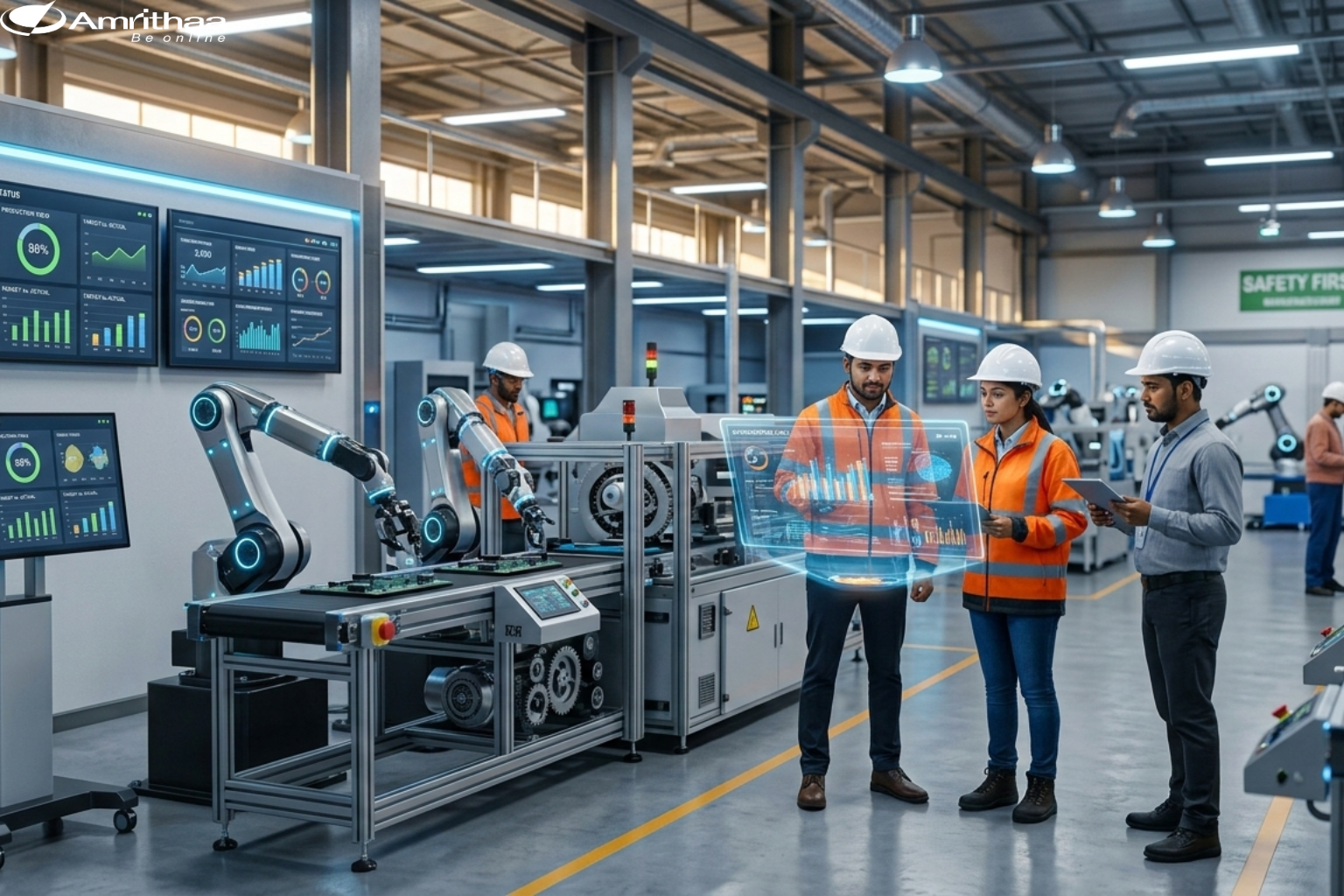
In today’s competitive landscape, manufacturers can no longer rely only on traditional systems and manual processes. To stay relevant, reduce costs, and improve efficiency, companies must digitally transform a manufacturing business from the ground up.
Digital transformation is not just about buying new software or machines. It’s about integrating technology, data, people, and strategy to create smarter operations and sustainable growth. Whether you run a small factory or a large production unit, the right digital roadmap can completely reshape your business performance.
Let’s explore the phases and milestones involved in digital transformation and how you can implement them effectively.
Before adopting any technology, manufacturers must clearly define their goals.
Common challenges include:
To digitally transform a manufacturing business, you first need a digital audit. Analyze current workflows, identify bottlenecks, and evaluate areas that need automation or optimization.
Digital transformation often includes:
A structured consulting partner like amrithaa.com can help you assess your current operations and create a step-by-step transformation plan aligned with your business model.
The first milestone is converting manual and paper-based systems into digital processes.
This phase includes:
The goal here is operational visibility. When you have real-time data on production, stock levels, and machine performance, decision-making becomes faster and more accurate.
Key milestone:
✔ Centralized data system
✔ Reduced paperwork
✔ Improved reporting accuracy
Once the foundation is ready, the next phase is introducing smart technology.
This includes:
Smart manufacturing reduces downtime and improves efficiency. Machines can now alert managers before breakdowns occur. Production schedules can adjust automatically based on demand forecasts.
Key milestone:
✔ Reduced downtime
✔ Improved productivity
✔ Higher quality standards
This is where manufacturers truly begin to digitally transform a manufacturing business into a competitive, future-ready enterprise.
Data is the backbone of digital transformation.
By collecting production, sales, and supply chain data, companies can:
Using business intelligence dashboards, management can track KPIs in real-time.
At this stage, digital transformation moves from operational improvement to strategic growth. Companies can expand confidently, plan investments wisely, and reduce financial risks.
Consulting experts like amrithaa.com help define cost models, ROI expectations, and scalable digital strategies tailored to manufacturing industries.
Digital transformation is not a one-time project. It’s an ongoing journey.
After implementing digital tools, manufacturers must:
Automation, robotics, AI, and cloud integration should evolve with market demands.
Key milestone:
✔ Fully integrated smart factory
✔ Agile operations
✔ Scalable business model
When done correctly, manufacturers see:
Many manufacturing businesses hesitate due to:
However, phased implementation reduces risk. Start small, measure impact, then scale gradually.
The right digital consulting partner ensures:
To digitally transform a manufacturing business, companies must follow structured phases and measurable milestones. From digitizing core operations to implementing smart technologies and data-driven strategies, each step builds toward long-term efficiency and profitability.
Digital transformation is not just about technology it’s about creating a smarter, scalable, and resilient manufacturing ecosystem.
If you are planning to modernize your factory operations, streamline costs, or design a future-ready business model, amrithaa.com will give you complete consulting support from cost planning to execution strategy and business model transformation.
🚀 Ready to transform your manufacturing business? Connect with amrithaa.com today and start your digital journey with confidence.