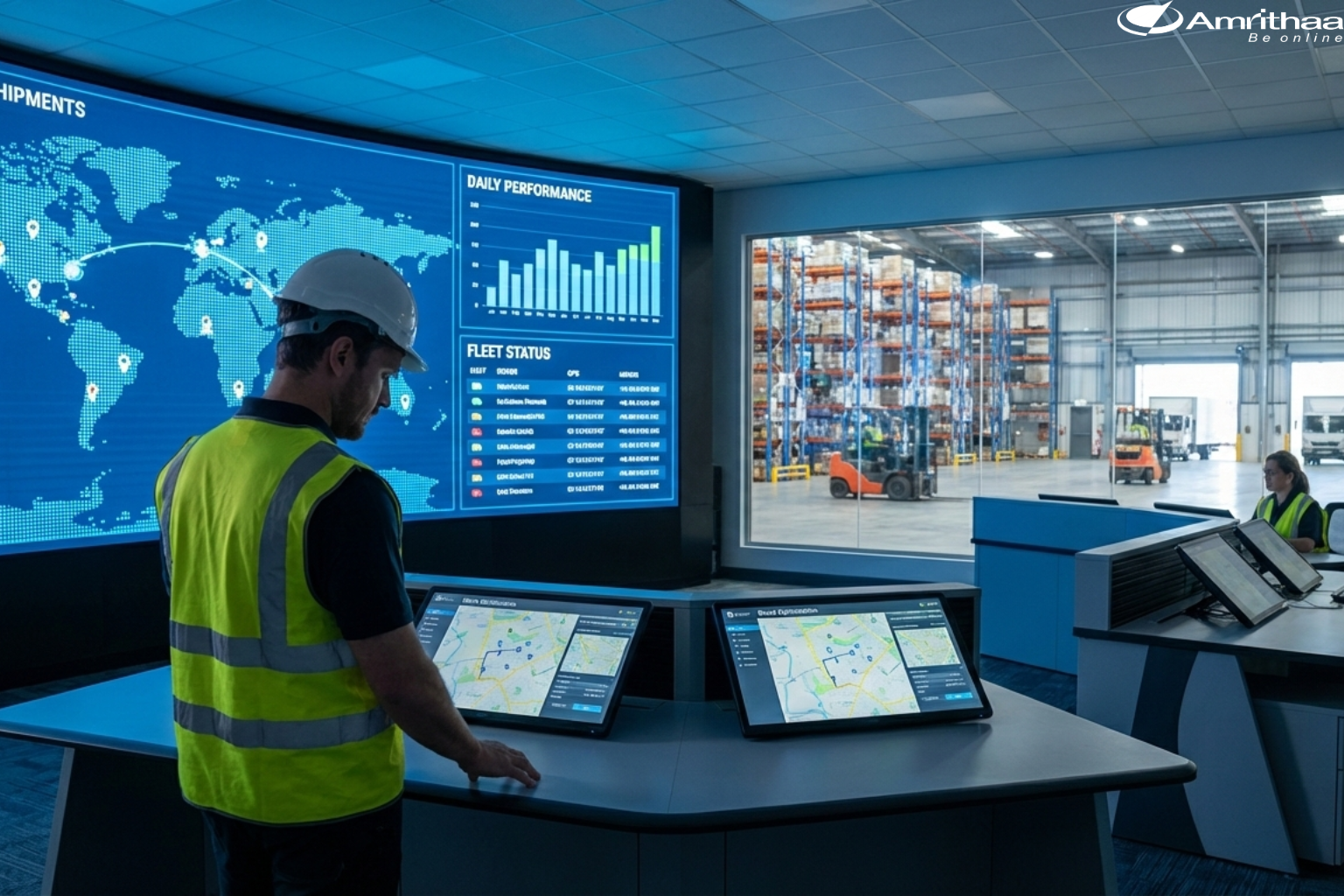
In today’s fast-moving supply chain ecosystem, businesses cannot rely on manual tracking, spreadsheets, or disconnected systems. Efficient transportation, inventory tracking, route optimization, and real-time visibility are critical for success. This is where Logistics Management Software becomes essential.
Developing a robust logistics platform requires clear planning, scalable architecture, and a well-defined roadmap. From MVP development to full-scale deployment, every phase must be structured carefully to ensure operational efficiency and business growth.
Let’s explore how to successfully develop Logistics Management Software step by step.
Before writing a single line of code, it’s important to understand:
Logistics Management Software can include features such as:
Clear requirement analysis ensures your solution solves real business problems.
Professional consulting support from amrithaa.com helps businesses align technical development with operational needs.
Instead of building a complex system immediately, begin with MVP development (Minimum Viable Product).
An MVP includes only core features such as:
The goal of MVP development is to:
MVP development shortens time-to-market and allows real-world validation before scaling.
Developing Logistics Management Software typically follows structured phases.
Scalable architecture ensures the software can handle increased shipments and users over time.
Logistics teams need simple, efficient dashboards.
Design should focus on:
User-friendly interfaces improve adoption rates.
This includes:
During this phase, agile methodology helps maintain flexibility and faster iteration cycles.
Testing ensures:
Security testing is critical because Logistics Management Software handles financial data and shipment records.
After successful testing:
Post-launch optimization ensures long-term scalability.
Key milestones for Logistics Management Software development include:
Tracking milestones ensures timeline control and cost management.
Once MVP validation is successful, advanced modules can include:
Modern Logistics Management Software must evolve continuously to stay competitive.
Security measures should include:
A secure system builds trust with partners and clients.
Developing Logistics Management Software requires strategic planning, phased execution, and scalable architecture. Starting with MVP development, defining clear phases and milestones, and gradually expanding features ensures long-term success.
Whether you are building a fleet tracking platform, warehouse management tool, or end-to-end supply chain system, structured development is key to ROI and operational efficiency.
👉 Ready to build your Logistics Management Software? amrithaa.comprovides complete consulting support for cost planning, MVP development, scalable architecture, and business model strategy tailored to your logistics goals.