Healthcare is rapidly embracing digital transformation. Hospitals, clinics, and diagnostic centers are moving away from manual records and disconnected software systems toward integrated Hospital Management Systems (HMS). As we step into 2026, investing in a scalable and secure HMS is no longer optional it’s essential.
But one of the most common questions healthcare institutions ask is: What is the cost of developing a Hospital Management System in 2026?
The answer depends on multiple factors such as features, team size, development phases, integrations, and long-term scalability. Let’s break it down clearly.
The cost of a Hospital Management System is not fixed. It depends on project complexity and business requirements.
Major cost-driving factors include:
• Number of modules (OPD, IPD, Pharmacy, Lab, Billing, HR)
• Web-only or Web + Mobile App development
• Cloud hosting and data security requirements
• Integration with third-party systems (payment gateway, lab devices, insurance APIs)
• Compliance standards and data encryption
A small clinic may require a lightweight system, while a multi-specialty hospital will need a fully integrated enterprise-grade solution.
At amrithaa.com, we help healthcare institutions define the right scope before estimating costs, ensuring there is no unnecessary overspending.
Development cost largely depends on the team structure involved in building the system.
A standard Hospital Management System project may require:
• 1 Project Manager
• 1 UI/UX Designer
• 2–3 Backend Developers
• 1–2 Frontend Developers
• 1 Mobile App Developer (if required)
• 1 QA/Test Engineer
• 1 DevOps/Cloud Engineer
For an MVP (Minimum Viable Product), a smaller team may be sufficient. However, for enterprise-level solutions, a larger and more specialized team will increase development costs.
The more complex the requirements, the more development hours are needed, directly affecting the overall budget.
Many hospitals prefer starting with an MVP to reduce initial investment and test workflows.
An MVP Hospital Management System typically includes:
• Patient Registration
• Appointment Scheduling
• Doctor Management
• Basic Billing
• Electronic Medical Records (EMR)
• Admin Dashboard
MVP development usually takes 3–5 months depending on customization and integrations.
This approach allows hospitals to launch faster, gather feedback, and expand features in later phases.
At amrithaa.com, we recommend phased development to control cost while ensuring scalability.
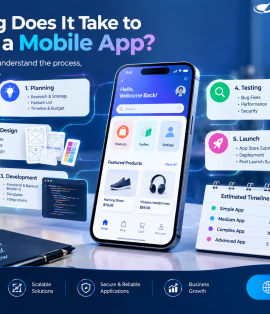
Understanding the development roadmap helps institutions estimate cost better.
• Business consultation
• Feature listing
• System architecture planning
• Cost estimation
This phase defines project clarity and avoids budget overruns.
• Wireframes
• Dashboard design
• Mobile responsiveness planning
• User workflow mapping
A well-designed interface improves usability and adoption.
• Backend system development
• Database architecture
• Frontend implementation
• API integrations
This is the most resource-intensive stage and contributes significantly to total cost.
• Security testing
• Performance testing
• Bug fixing
• Data validation
Healthcare systems require high reliability, so testing cannot be compromised.
• Cloud hosting setup
• Security configuration
• Ongoing updates
• Technical support
Maintenance costs should also be considered in the 2026 budget plan.
While exact pricing depends on project scope, here is a general structure:
Basic HMS (Web only, limited modules) – Suitable for small clinics
Mid-Level HMS (Web + Mobile App, multiple modules) – Suitable for medium hospitals
Enterprise HMS (Full integration, advanced analytics, multi-branch support) – Suitable for large hospital networks
Instead of focusing only on price, institutions should evaluate:
• Scalability
• Security compliance
• Data protection
• Customization flexibility
• Long-term maintenance
A well-planned system reduces operational costs in the long run.
Many hospitals overspend because they start development without a clear strategy. Proper consulting ensures:
• Accurate cost planning
• Clear milestone mapping
• Optimized team allocation
• Avoidance of unnecessary features
• Better ROI
At amrithaa.com, we provide complete consulting for Hospital Management System development, including cost planning, MVP strategy, scalability roadmap, and sustainable business models.
The cost of developing a Hospital Management System in 2026 depends on project scope, team size, development phases, and scalability goals. Starting with a structured MVP and expanding in milestones is often the smartest approach.
Rather than asking “How much does it cost?”, the better question is “What is the right investment for long-term efficiency and growth?”
If you’re planning to build a secure and scalable Hospital Management System, get expert consulting before you start.
👉 Visit amrithaa.com for complete HMS cost consultation and business model planning tailored to your healthcare institution.